
trace
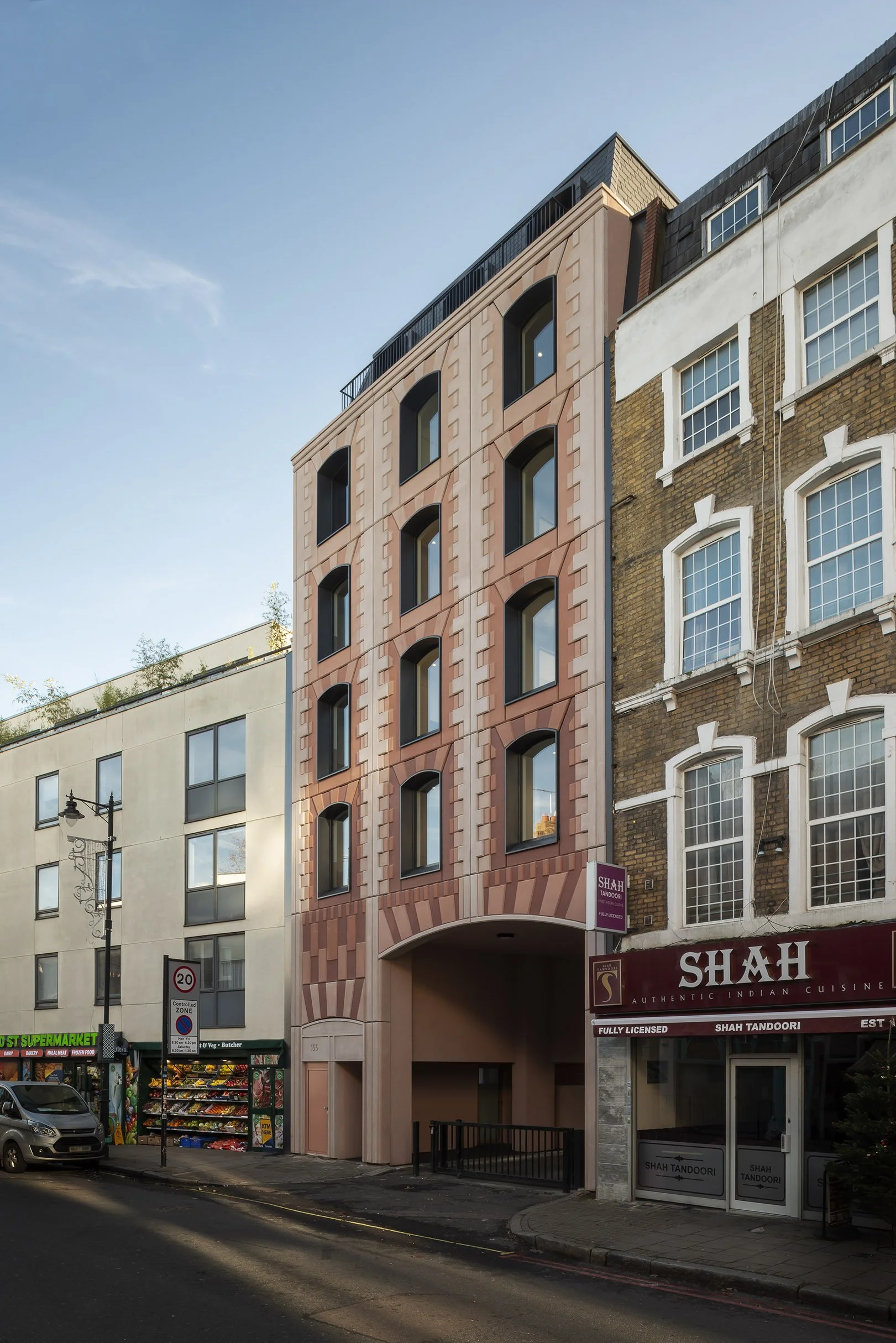
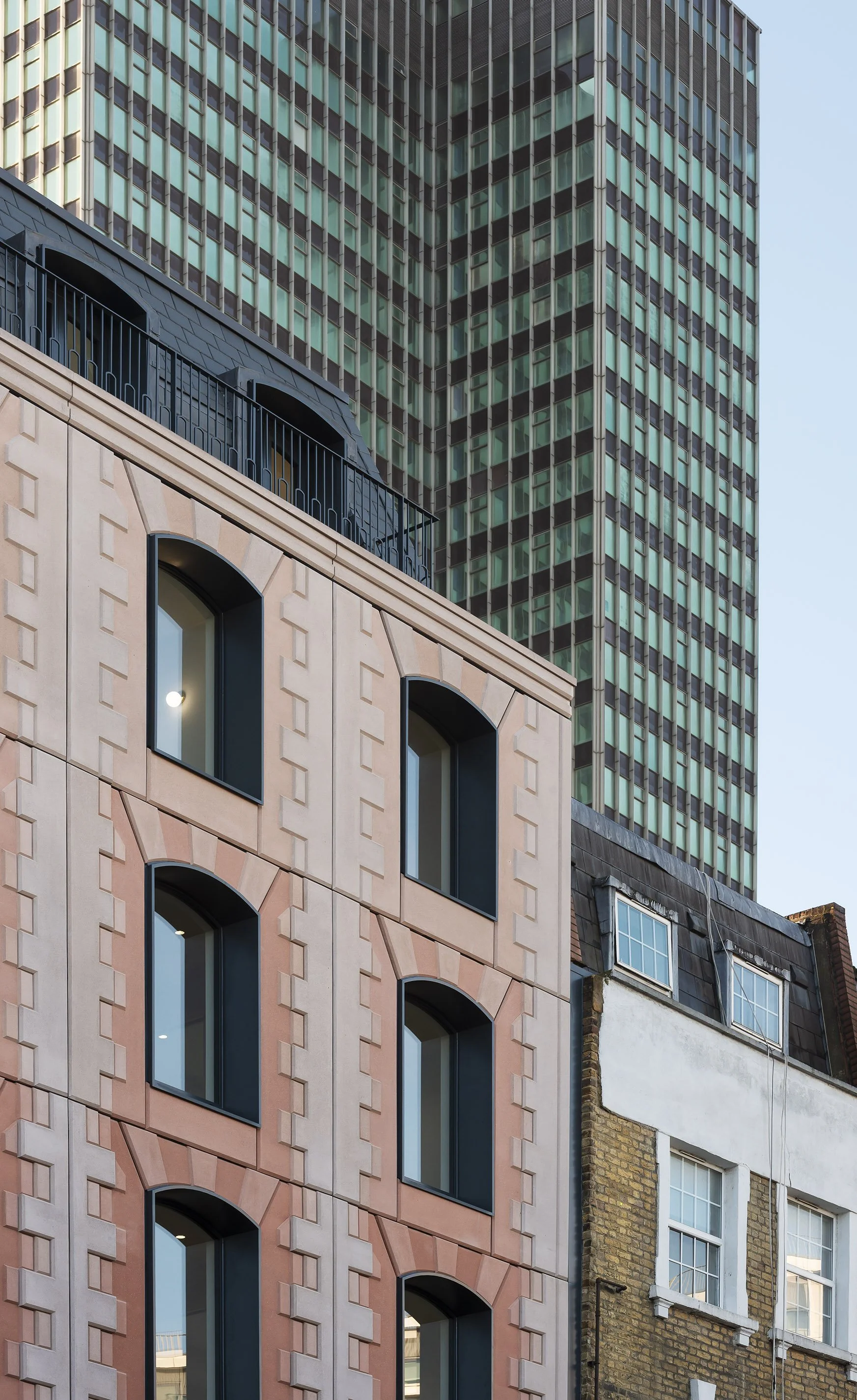
Trace is a transformative, deep retrofit residential project on Drummond Street, in Euston, London, designed by Bureau de Change architects for HGG London. The scheme reimagines a four-storey 1980s brick building, adding two new floors and creating five contemporary, light-filled apartments while retaining and repurposing the majority of the existing structure.
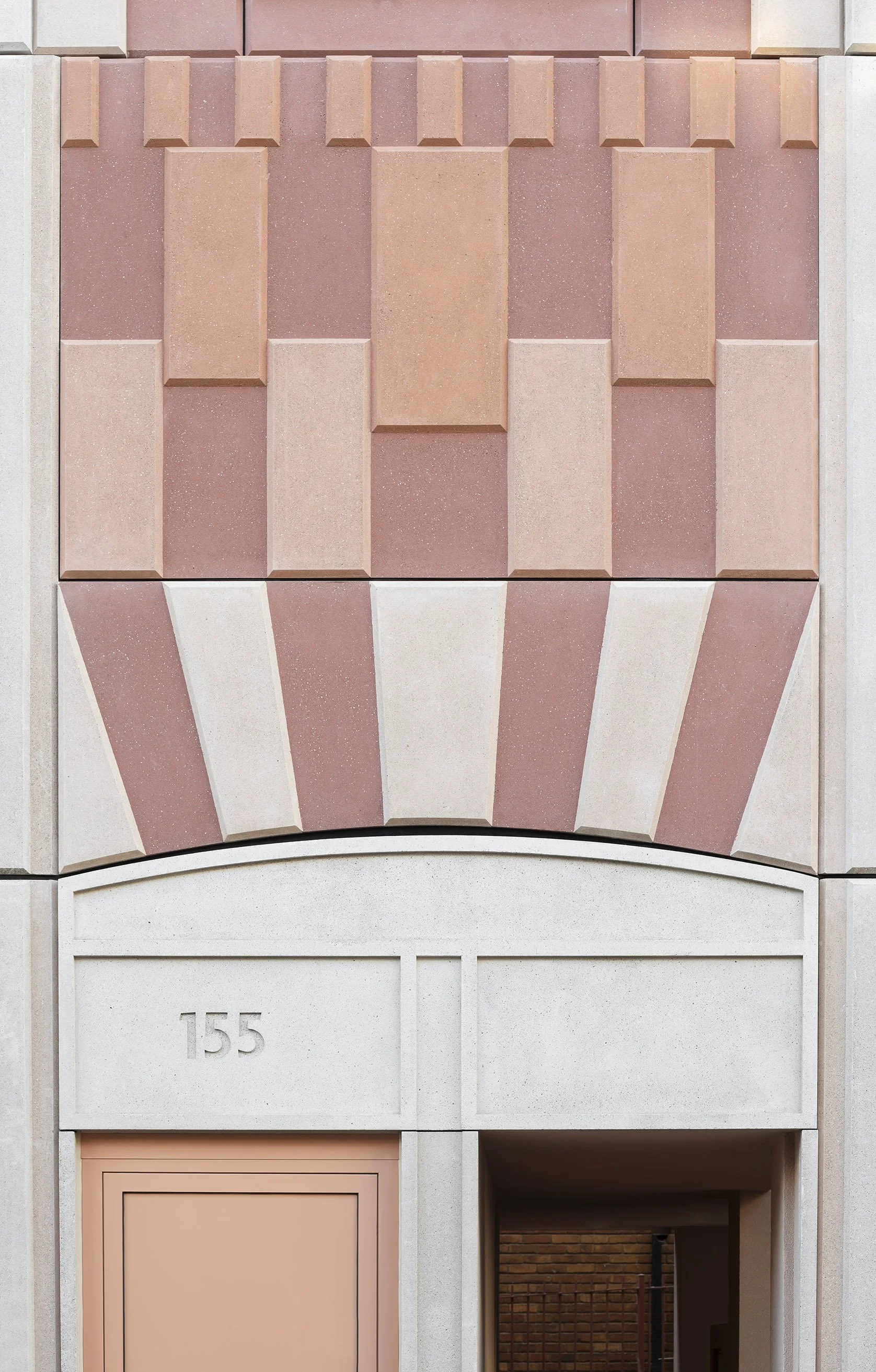
At the core of Trace is a commitment to the circular economy. Rather than demolish and rebuild, the project preserves the original foundations, primary structure and characteristic archway, aiming to work with the embodied carbon already present on the site. Most radically, however, Bureau de Change developed a new site-specific, glass reinforced concrete (GRC) composite for the project’s façade, using materials harvested from the original building.
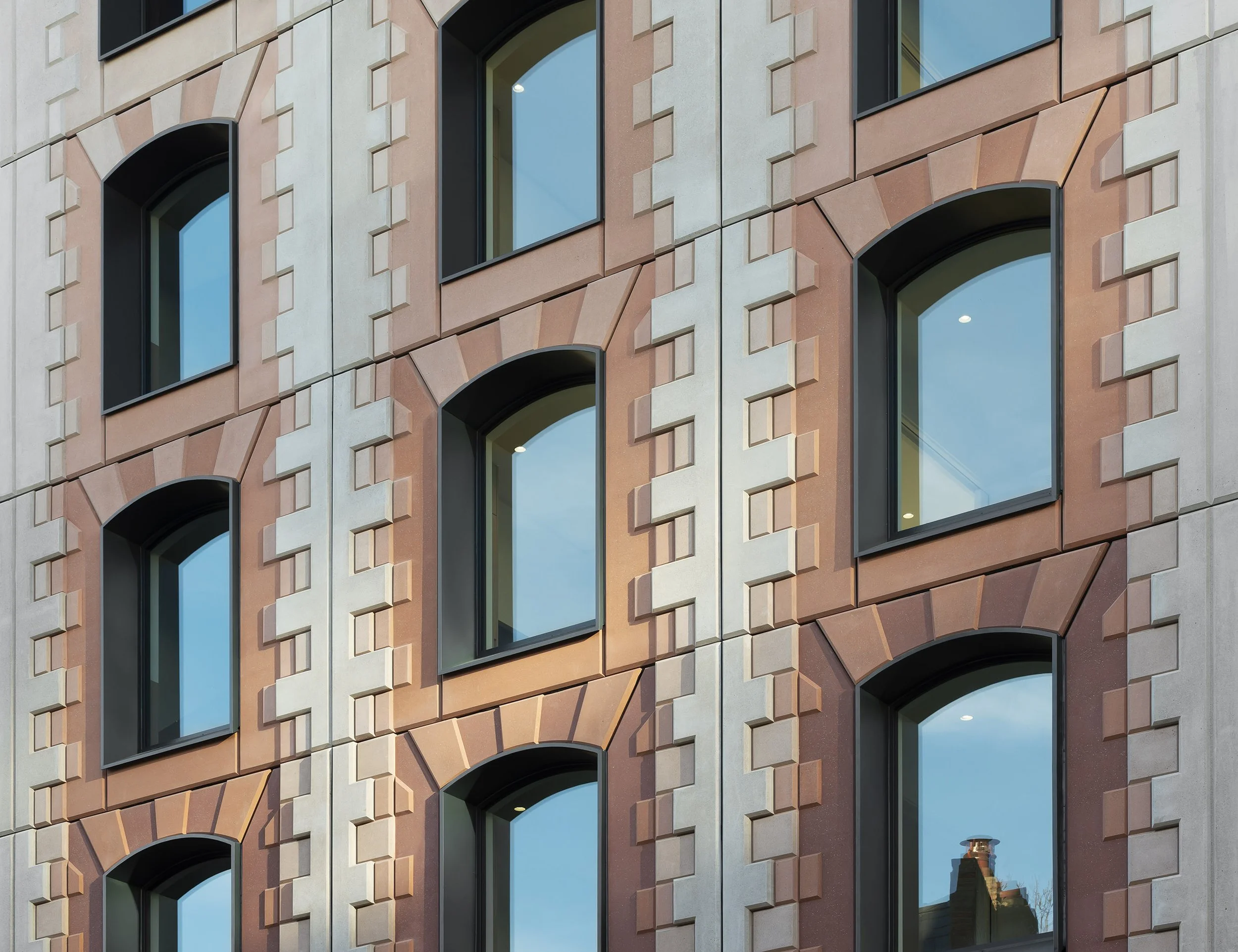
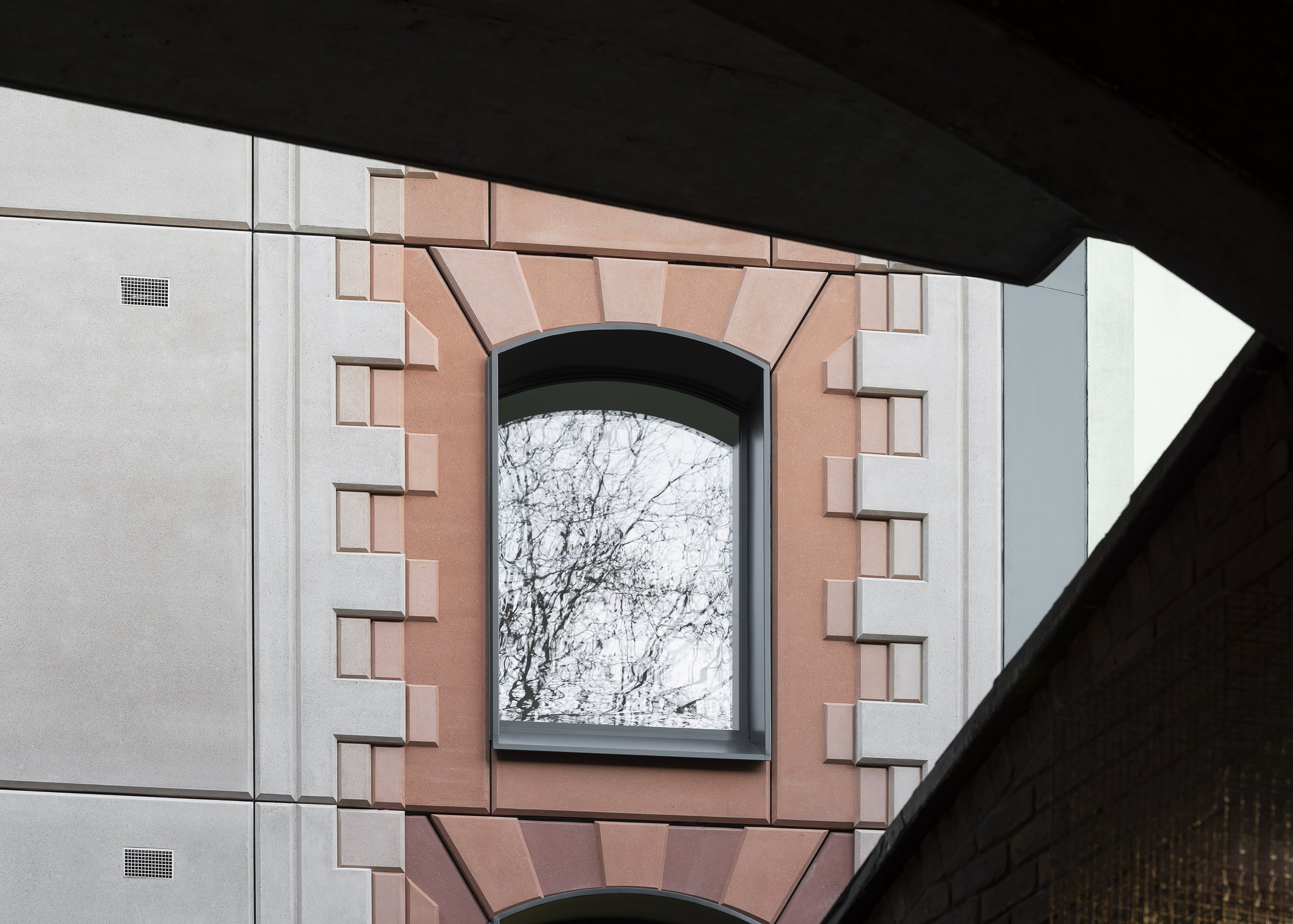
The mid-brown bricks of the existing façade were crushed and recycled as visible aggregate, forming a new textured ‘stone’ that clads the enlarged building. This approach creates a textured, rusticated exterior that physically and metaphorically retraces the building’s history, allowing the old fabric to remain legible in its reconsidered form. The approach sits within a wider sustainability strategy of improved environmental performance, including upgraded insulation, winter garden balconies and cycle parking.
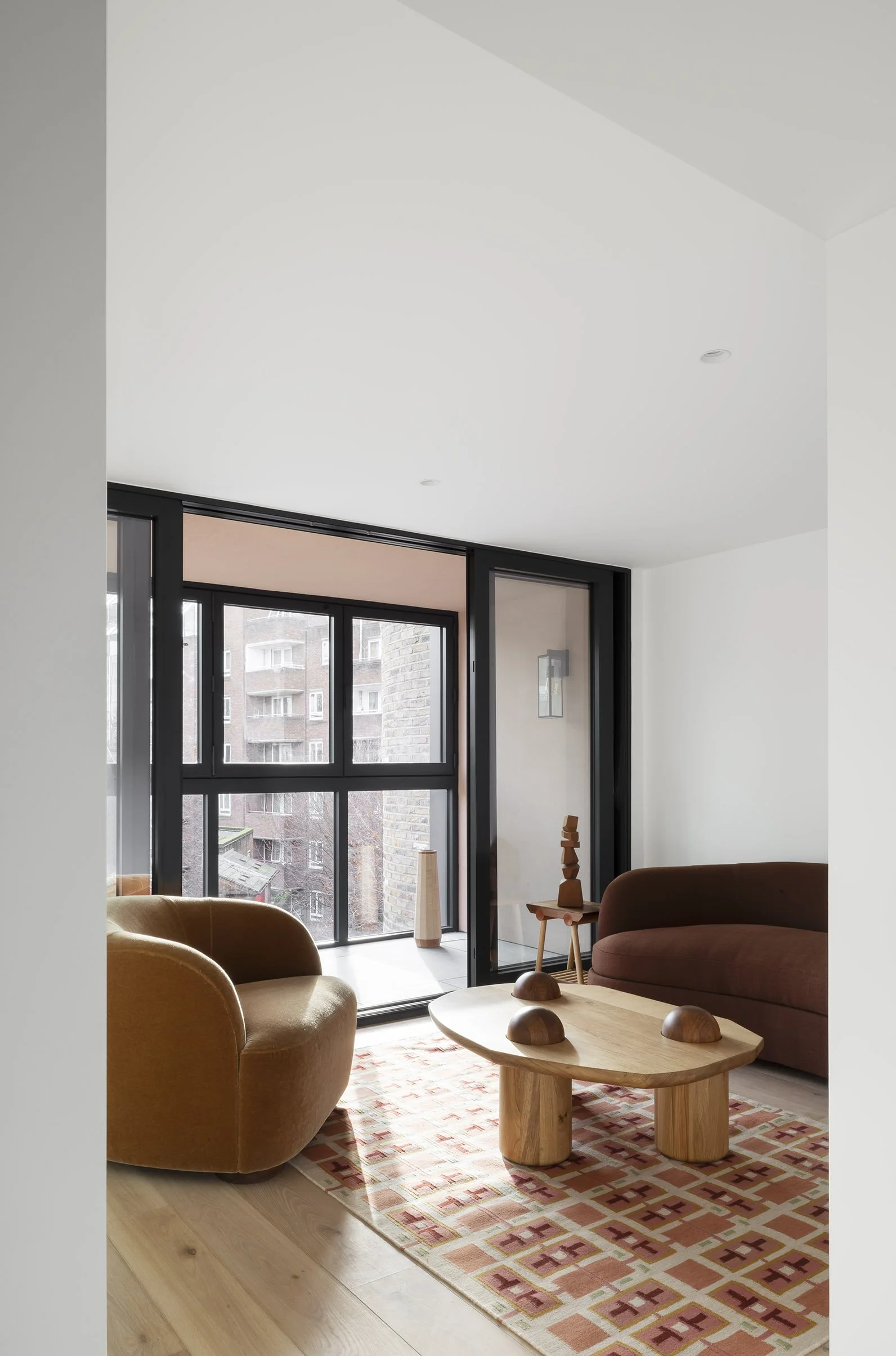
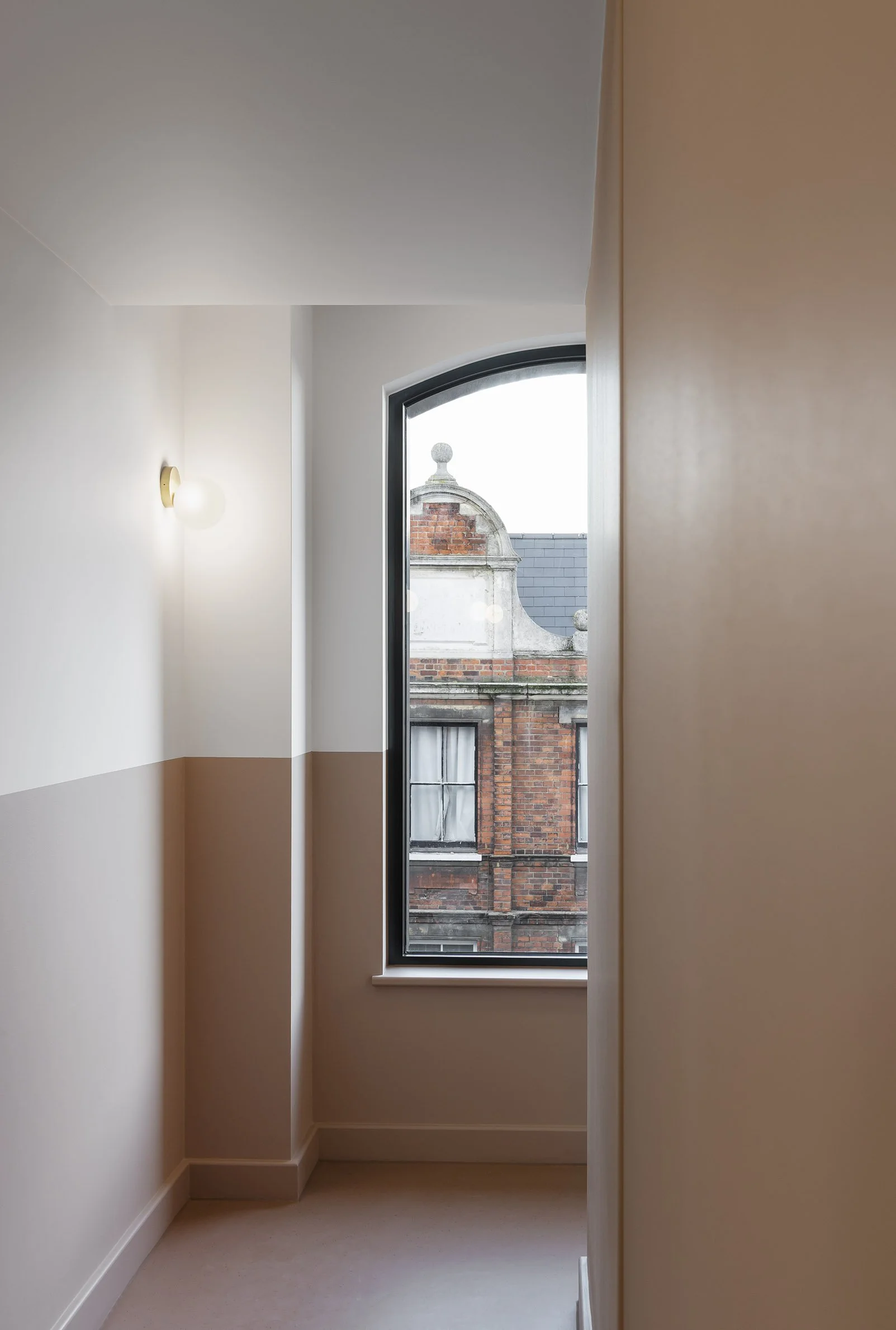
Drawing on the rich architectural history of Drummond Street and Tolmer’s Square, shaped by Georgian terraces, Philip Hardwick’s original Euston Station and the layered narratives of 20th-century redevelopment, the aesthetics of Bureau de Change’s façade system are informed by Georgian proportions, rustication and articulated arches. Organised within an underlying grid, the new openings reinterpret traditional segmental arches, allowing for larger windows, improved daylight and cross-ventilation and generous winter gardens off the living rooms to the rear.
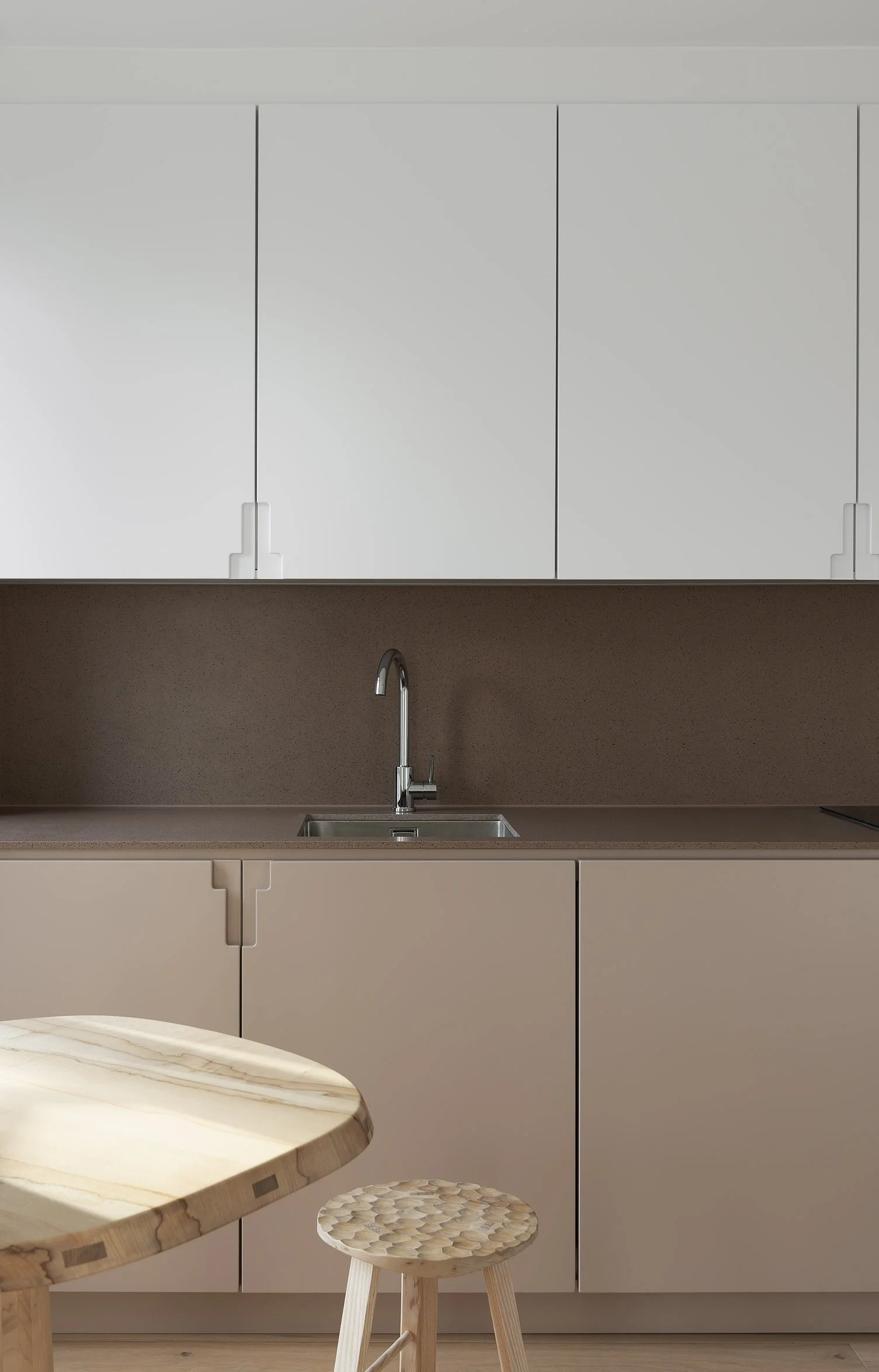
The completed development provides three two-bedroom apartments on the first, second and third floors and two one-bedroom apartments on the newly added fourth and fifth floors, each with skyline views and outdoor terraces. In all, double-aspect living areas are arranged in a stepped plan that subtly zones kitchen, dining and living spaces without physical barriers, and layouts are designed for comfort and abundant natural light.
Trace aligns with the ambitions of the Euston Area Plan, which prioritises sensitive growth, sustainable development and the enhancement of the area’s unique character. By proving that existing structures can be elevated through reuse and innovative material upcycling, Trace is an exemplar of low-carbon urban intensification in central London.
Photography: Gilbert McCarragher